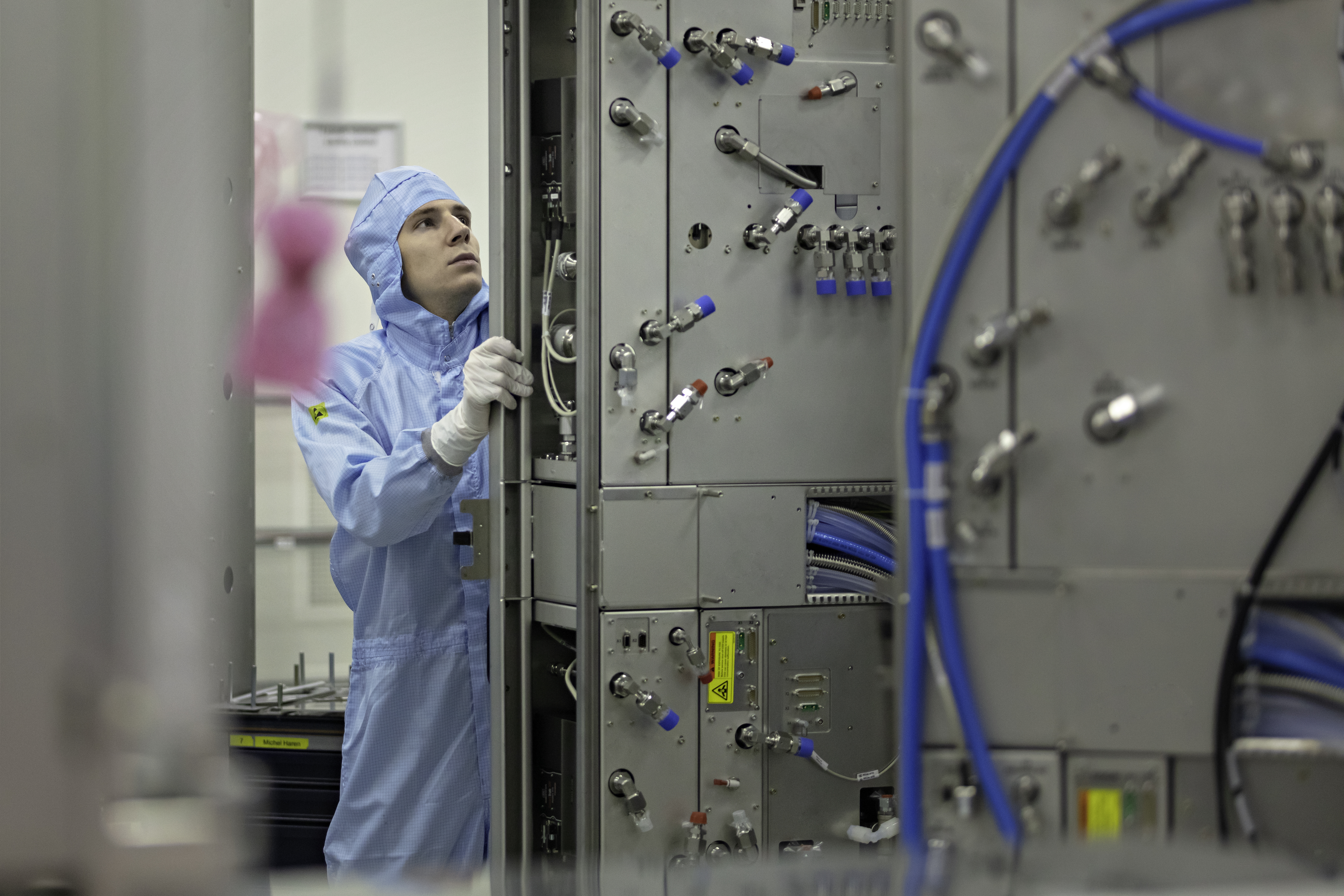
When equipment wears out, the obvious response is to replace it. Yet a large module used inside semiconductor manufacturing equipment contains precision engineering, valuable components and materials that may still have plenty of useful life left.
If only one part is worn or no longer meets the latest specification, replacing the entire module means discarding much that could still be put to work.
Aalberts is taking a different route with one of its semiconductor equipment customers. Used modules are being returned to service rather than replaced in full.
How semiconductor equipment refurbishment works
Back at Aalberts, the module is completely taken apart. The team inspects its components, repairs what is needed and upgrades individual submodules where newer technology can improve them.
The module is then rebuilt and checked against the specifications agreed with the customer. There is no lower standard for refurbished equipment: it must meet the same critical requirements as a newly manufactured product.
Sometimes, the result is better than before. A submodule can be brought up to the latest standard using different components, improving on what was originally supplied.
“Every module represents more than the materials it is made from. There is a great deal of engineering knowledge built into it too,” says Patrick de Groot, CEO Aalberts advanced mechatronics “Our job is to preserve that value without asking the customer to compromise. If we can improve the module at the same time, reuse becomes a step forward, not a step back.”
Keeping valuable materials in use
The first benefit is simple: far less is thrown away. Precision components and valuable materials stay in circulation, while the working life of the complete product is extended.
Refurbishment also preserves the engineering already built into the module and puts familiar equipment back to work.
Circularity is practical: repair what can be repaired, upgrade what needs upgrading and use the equipment again.
Circularity across the semiconductor product lifecycle
Aalberts has worked with the customer across design, manufacturing, qualification and repair. The team already knows how the module was built, how it must perform and which specifications matter most.
The relationship does not end once a module has been built. Refurbishment and reuse extend it into the next stage of the product’s life.
Sometimes progress means building something new. Here, it means knowing what not to throw away.
Facts & figures
- Reuse over replacement: your semiconductor modules are refurbished and returned to service instead of being replaced
- Like-new performance: refurbished modules must meet the same specifications as newly manufactured products
- Technology upgrades included: your submodules can be upgraded to current standards during refurbishment
- Less waste, longer life: valuable materials and precision components remain in use for longer
- End-to-end partnership: our collaboration with you spans design, manufacturing, qualification, repair, and reuse