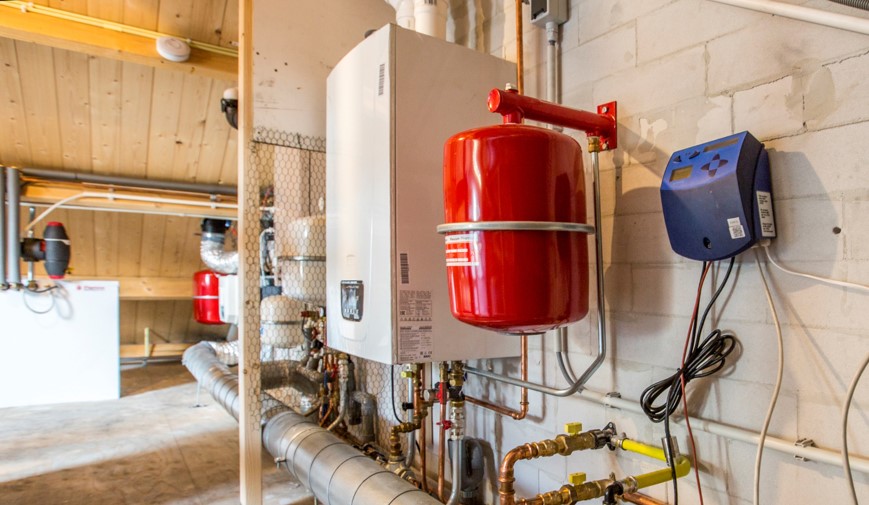
Most of us have been in a building where the temperature doesn’t feel quite right. One room is too warm, another too cold. Before long, someone turns up the thermostat while someone else opens a window.
Neither response solves the real problem. Often the heating or cooling is working, but the energy is not being shared evenly. Water flows too freely through some parts of the pipework and not freely enough through others, so the system works hard while people remain uncomfortable.
Aalberts developed hydronic balancing valves to correct the imbalance and give each part of the building the flow it needs.
Getting the balance right
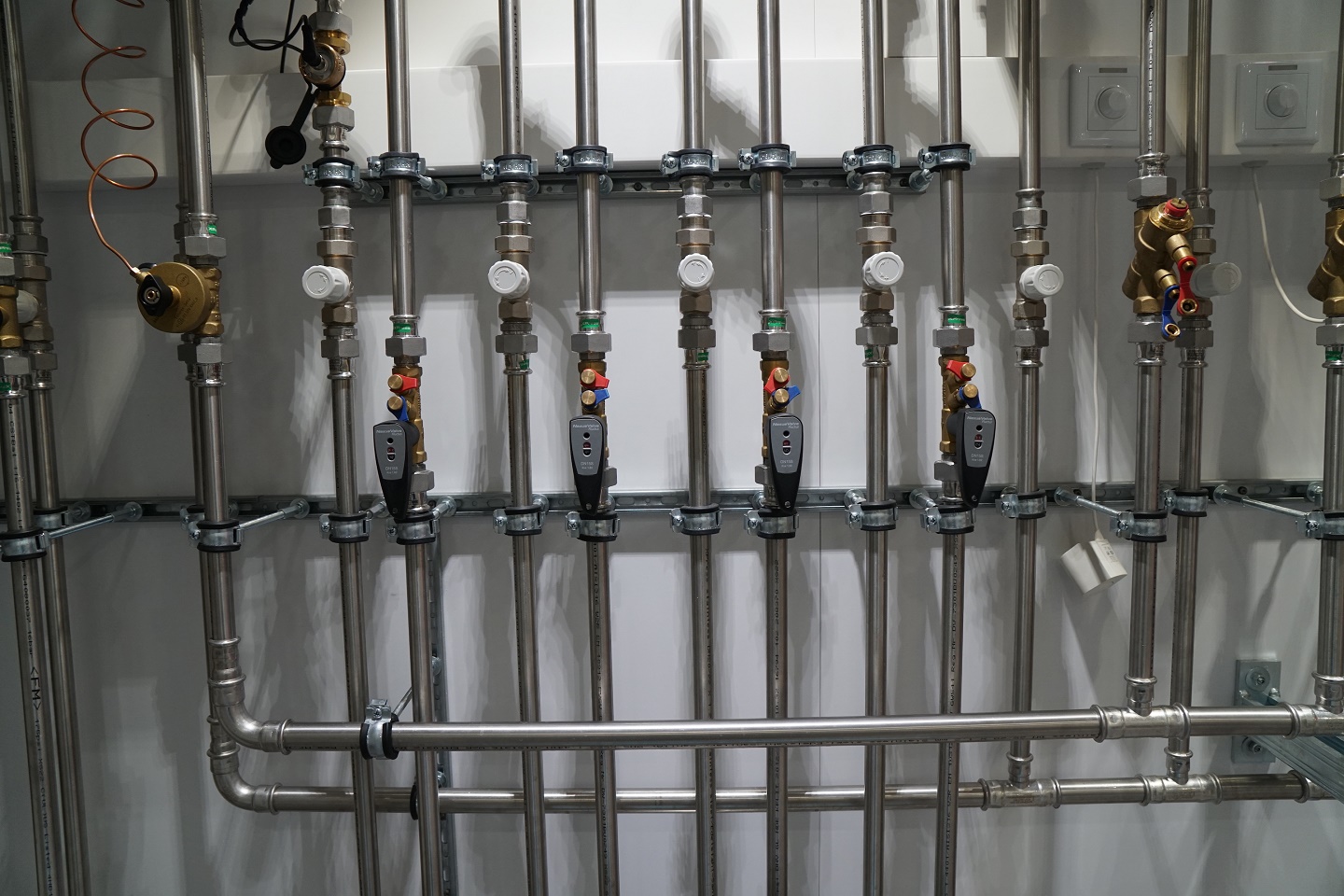
In a hydronic system, heated or cooled water travels through a network of pipes to reach every room. Without proper balancing, areas closest to the source can receive too much flow, while those further away receive too little.
A balancing valve works much like a volume control. It turns the water flow up or down in different parts of the system until each area receives the right amount. Rooms then get the heating or cooling they need without nearby areas taking more than their share.
A comfortable building should not need to waste energy.
“When a system is out of balance, people often try to fix the temperature by turning the controls up. That can use more energy without making every room comfortable,” says Henk Brasser, sales support and engineering at Aalberts hydronic flow control. “Set the water flow properly and the heating or cooling reaches the places that need it. It is a small adjustment, but people notice the result throughout the building.”
A small valve with a measurable effect
Many heating and cooling systems are poorly balanced or not balanced at all. Setting the flow correctly can cut energy costs by around 20%, create more consistent room temperatures and make the system easier to control.
Building owners and operators gain a more comfortable indoor climate and lower energy costs. The people inside feel the benefit each day as rooms stay comfortable without constant thermostat adjustments or open windows.
Developed with customers, not just for them
Customers were involved throughout the development of the balancing valve. Their experience helped Aalberts understand what the product needed to do in a real building, not just how it should perform on paper.
That close collaboration shortened development time and ensured the finished valve met a real need. It also helped the product gain acceptance more quickly and gave Aalberts a headstart in the market.
Once installed, the valve is hidden inside the pipework. The people using the building may never know it is there. They simply have fewer hot rooms, cold corners or windows opened to let excess heat escape.
Facts & figures
- ~20%: Potential reduction in energy costs through correct hydronic balancing
- 1 valve: Regulates water flow to different parts of the building
- More consistent: Helps maintain comfortable temperatures throughout the building
- Lower energy use: Prevents heating or cooling systems from working harder than necessary
- Customer-led: Developed in close collaboration with customers
Contact us if you want to know more about this article
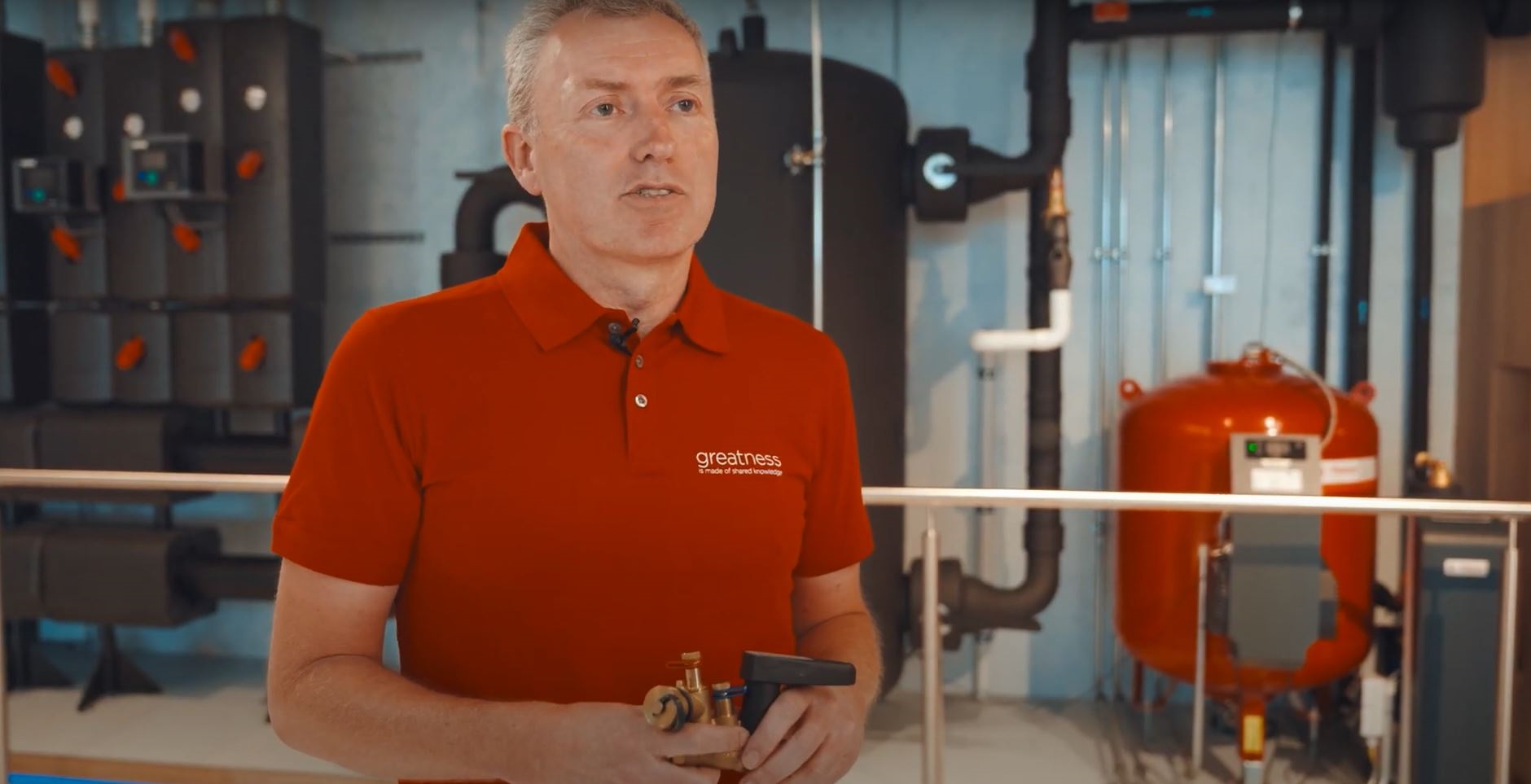
Henk Brasser
sales support and engineering